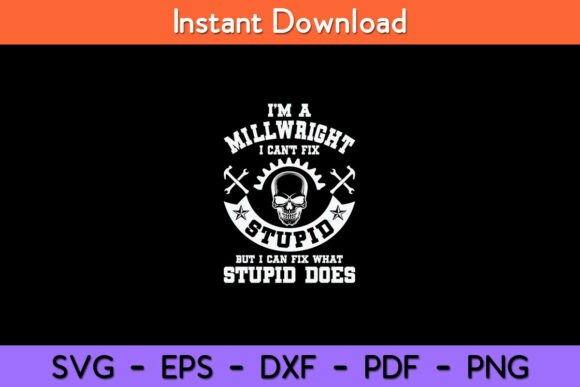
A Millwright I Can’t Fix Stupid Funny
First Impressions: A Bold Statement for Crafters and Millwrights Alike
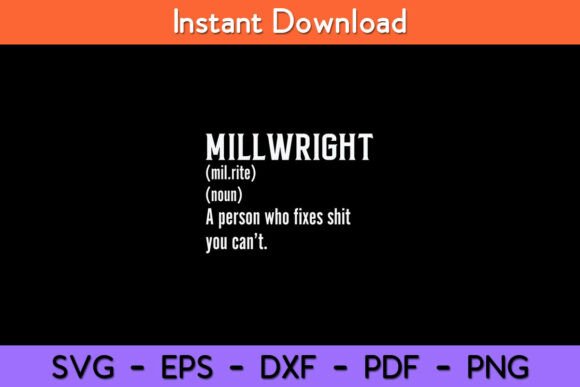
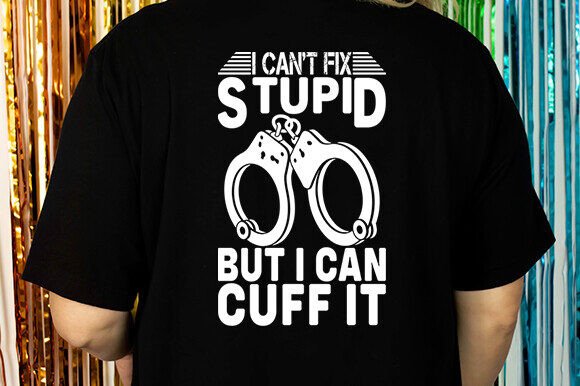
When I first opened the file for A Millwright I Can’t Fix Stupid Funny, I immediately got the vibe—this isn’t your average embroidery design. It’s punchy, tongue-in-cheek, and built for personality. The layout is straightforward but effective, with a clean font that balances humor and professionalism. It’s the kind of design that makes you chuckle while still looking polished enough for a finished product.
The theme feels tailor-made for industrial workers, mechanics, and anyone in the trades who appreciates a good laugh. It’s also perfect for crafters looking to add a bit of edge to their custom apparel or handmade gifts. Visually, it’s not overly complex, which makes it versatile across a range of fabric types and project styles.
Real-Life Use: From Sweatshirts to Tote Bags
I tested this design on a few different materials to get a sense of how it would hold up in actual embroidery projects. Starting with a standard cotton tote bag, the result was surprisingly clean. The lettering is large enough to read easily but not so detailed that it gets lost in the stitching. It looked especially sharp on a natural canvas tote—simple, bold, and just the right amount of cheeky.
Next, I stitched it onto a mid-weight sweatshirt. The outcome was great—no distortion in the lettering, and the overall design held its shape well even with the thicker fabric. It looked like a professionally embroidered piece you'd see in a boutique shop. For small business owners or Etsy sellers, this kind of finish can really boost the perceived value of a product.
On a baby onesie, it was a bit of a toss-up. While the design itself is fun, the phrase might be better suited for older kids or adults. Still, if you're selling to a niche audience—like a millwright parent who wants to pass on the trade humor—it could work as a personalized gift.
Where to Be Careful: Fabric, Fit, and Finer Details
While A Millwright I Can’t Fix Stupid Funny holds up well in most cases, there are a few situations where extra care is needed. On stretchy fabrics like performance tees or lightweight knits, the satin stitch around the letters can pucker slightly if not stabilized properly. I recommend using a firm tear-away or cut-away stabilizer to keep the design crisp.
Dark fabrics also require some attention. The default thread colors in the file might not contrast well against black or navy backgrounds. A quick test stitch-out in black and white helped me visualize how it would look before committing to the final product. If you're planning to use this on a hoodie or cap, check how the lettering holds up on curved surfaces—sometimes the middle letters can lift slightly.
Another thing to watch for is hoop size. Since the design spans a decent width, it might not fit in smaller embroidery hoops. Make sure to check the dimensions before starting any project, especially if you're working with limited space like on a baby cap or a kitchen towel.
Impact on Product Appeal and Customer Reaction
From a design standpoint, this SVG embroidery file adds instant character to any product. Whether it’s a custom embroidered sweatshirt or a personalized tote, the humor makes it memorable. That’s a big plus for sellers—especially those in the handmade space—because it gives buyers a reason to pause and smile.
It also plays well with niche branding. If you're running a small craft business targeting tradespeople or industrial workers, this design can help reinforce your brand voice. It's not just about looking good—it's about connecting with a specific audience in a way that feels authentic.
For Etsy sellers, the giftability factor is strong here. It's the kind of item that gets shared on social media, especially around holidays or Father’s Day. People love giving—and receiving—funny, personalized gifts, and this design delivers on both fronts.
Designer Notes: What to Check Before You Stitch
Before diving into a full production run, I always test a design like A Millwright I Can’t Fix Stupid Funny on scrap fabric. This helps catch any issues with stitch density, thread coverage, or potential distortion early on.
- Check thread color contrast—especially on dark or patterned fabrics.
- Verify hoop size to make sure the design fits your machine’s capabilities.
- Test on different fabric textures to see how the design holds up on cotton, fleece, and stretchy materials.
- Use the right stabilizer to prevent puckering, especially on tricky surfaces.
- Confirm licensing terms if you're planning to sell finished items or digital products using this design.
Also, don’t skip the black and white mockup test. It’s amazing how a simple grayscale preview can highlight issues with detail clarity and overall balance. If the design looks good in black and white, it’ll almost certainly look great in color.
Final Thoughts: A Smart Addition to Your Design Toolkit
Overall, A Millwright I Can’t Fix Stupid Funny is more than just a clever phrase—it’s a functional, well-structured embroidery file that works well across a variety of real-world applications. Whether you're creating custom apparel, personalized gifts, or small shop merchandise, this design brings both humor and professionalism to the table.
For embroidery designers and small business owners, it’s a solid choice that can elevate your product lineup without requiring complex setup or advanced techniques. Just remember to test it thoroughly before committing to a full run, and always match the design to the right fabric and use case.
If you're looking for a machine embroidery design that's both marketable and easy to stitch, this one deserves a spot in your digital design library.