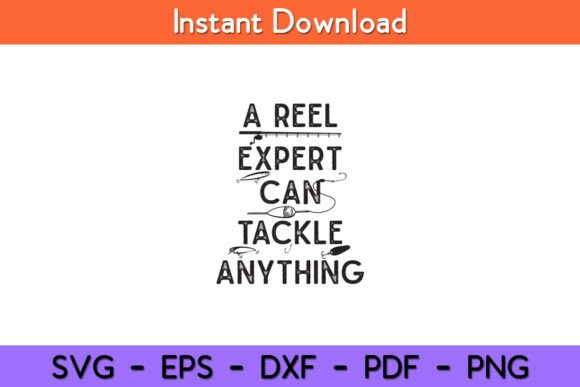
A Reel Expert Can Tackle Anything Funny
First Impressions: A Lighthearted Design for Lighthearted Projects
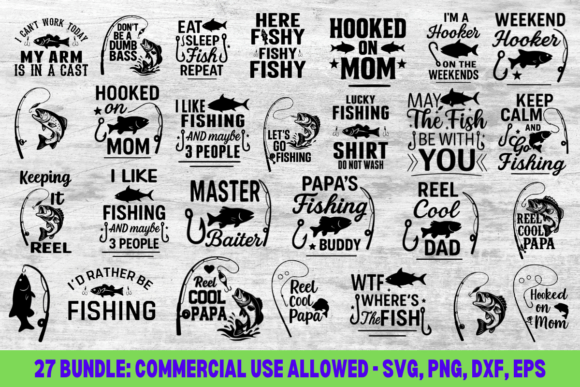
When I first opened the file for A Reel Expert Can Tackle Anything Funny, I immediately got the vibe: playful, slightly cheeky, and totally suited for a niche audience. It’s the kind of design that feels like a conversation starter, especially among fishing enthusiasts or anyone who appreciates a good pun. The layout is clean, with bold lettering and a fun graphic element that ties into the fishing theme. Visually, it’s not overly complex, which makes it ideal for embroidery projects where clarity and readability are key.
The design carries a casual, approachable personality. It’s not trying to be elegant or minimalist—it wants to be noticed, and it does so without overwhelming the viewer. This makes it a strong contender for items like embroidered tote bags, casual sweatshirts, or personalized aprons where a bit of humor adds charm.
Real-World Use: From Sweatshirts to Baby Onesies
I recently worked on a custom order for a boutique that specializes in fishing-themed apparel and accessories. One of the pieces was a unisex sweatshirt with a humorous embroidery touch. I tested A Reel Expert Can Tackle Anything Funny on a medium-weight cotton hoodie and the result was clean and crisp. The satin and fill stitches held up well, even with the texture of the fabric. The contrast between the thread color and the garment was sharp, making the design pop without being too flashy.
I also tried it on a baby onesie for a personalized gift idea. The size scaled down nicely, and the message—while obviously not for the little one—was a hit with parents who appreciated the humor. The lettering remained legible, and the graphic element stayed intact without looking cluttered. For small business owners or Etsy sellers, this kind of design can be a subtle but effective way to add character to a product without overcomplicating the look.
Where to Use It—and Where to Be Cautious
Let’s talk placement and fabric. This design works best on flat, stable surfaces like tote bags, tea towels, or standard t-shirts. It holds up well on cotton, canvas, and mid-weight knits. However, I wouldn’t recommend using it on stretchy fabric without proper stabilizer underneath. I tried it on a thin jersey knit, and the satin stitches pulled slightly, distorting the edges. A lightweight cutaway stabilizer helped, but it required more prep than usual.
Dark fabrics? No problem, as long as you test thread contrast first. I used a bright orange thread on a navy-blue sweatshirt, and the color combination gave it a boutique-level finish. But if you’re using subtle or muted tones, make sure the thread stands out enough against the background.
One area where I’d tread carefully is curved surfaces like baseball caps. The design’s width makes it a bit challenging to hoop correctly on a cap frame. If you’re determined to use it on a curved surface, I’d suggest adjusting the size slightly or choosing a smaller version if available. Also, if you’re working with textured fabric like denim or corduroy, test the design on a swatch first—those tiny details in the graphic may not stitch as crisply as on smoother materials.
Visual Impact and Customer Appeal
From a buyer’s perspective, this design checks a few important boxes. It’s unique enough to stand out, but not so niche that it limits your customer base. People love humor in personalized gifts, and this one delivers without being too cheesy. If you’re running a small craft business or selling on Etsy, this kind of design can help elevate your product from “just another embroidered item” to something with personality.
It also plays well with branding. If you’re creating a line of fishing-themed merchandise or personalized outdoor gear, this design can become a recurring visual element that customers recognize. That kind of consistency builds trust and repeat business.
Practical Notes for Embroidery Designers
Before jumping into production, here are a few practical steps I always take when testing a new embroidery file like A Reel Expert Can Tackle Anything Funny:
- Test on scrap fabric first—especially if you’re working with a new material or thread color.
- Check thread color contrast by doing a black and white mockup. Sometimes a thread that looks great on screen doesn’t translate well to fabric.
- Review stitch density—this design has a good balance, but if you’re scaling it up or down significantly, you may need to adjust density to prevent puckering or gaps.
- Confirm hoop size compatibility—if you’re limited by machine size, test the largest version of the design to ensure it fits within your hoop before stitching on a real product.
- Inspect small details under magnification, especially if you plan to scale the design down for baby items or patches.
- Use the right stabilizer—especially for stretchy or textured fabrics. Lightweight tear-away works for most cottons, but for knits or caps, go with a light cutaway.
- Verify licensing—if you’re selling finished items or digital products, make sure the design allows for commercial use. Since this is an SVG file intended for cutting machines, confirm that it’s also suitable for embroidery conversion if needed.
Final Thoughts: Worth the Stitch
Overall, A Reel Expert Can Tackle Anything Funny is a solid addition to any embroidery designer’s toolkit. It brings a sense of humor and personality to projects without sacrificing quality or clarity. Whether you’re creating custom apparel, personalized gifts, or boutique-style merchandise, this design holds up well across a range of fabrics and applications.
For small business owners and crafters, it’s a versatile piece that can work across multiple product lines—from holiday gifts to everyday wearables. Just be mindful of the fabric and placement, and always test before stitching on your final product. With a bit of preparation, this design can become a go-to for both personal and commercial embroidery work.