BABY BEAR Svg Cut File, Animal Svg
First Impressions: A Playful, Approachable Bear Design
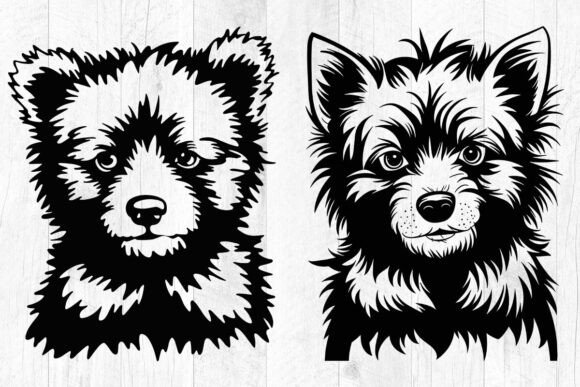
When I first opened the BABY BEAR Svg Cut File, the first thing that struck me was its whimsical charm. The design features a rounded, friendly bear face with oversized ears and a small, smiling snout. It’s not overly detailed, which makes it instantly approachable for baby items, children’s apparel, and soft home decor. The clean lines and minimal shading suggest it will stitch cleanly without too much density, which is a relief when working with delicate or stretchy fabrics.
As an embroidery designer who regularly creates custom pieces for Etsy sellers and boutique shops, I appreciate how versatile this design feels. It has a universal appeal—cute enough for baby onesies, yet stylized enough to work on men’s caps or rustic kitchen towels. The SVG format makes it easy to resize and convert for embroidery machines, which is a big plus for digital product sellers looking to offer multiple variations.
Real-World Use: From Tote Bags to Baby Clothes
I recently tested the BABY BEAR Svg Cut File on a custom tote bag and a set of organic cotton baby burp cloths. On the tote, the design held up well when stitched in medium-weight stabilizer with a satin border. The facial features stitched cleanly, and the bear’s eyes remained distinct even at 3 inches in size. For the baby burp cloths, I reduced the design to 2 inches and used a lightweight tear-away stabilizer. The result was soft, subtle, and appropriate for newborn items.
- Worked well on cotton and canvas tote bags
- Resized cleanly down to 2 inches for baby items
- Looks great with a satin stitch outline for definition
- Simple enough for quick stitching on small hoop machines
It also translated well onto a cotton sweatshirt mockup. The bold facial features stood out without looking busy, and the overall design didn’t overwhelm the garment. For small shop owners, this makes it a solid choice for seasonal bundles or themed collections like woodland animals or forest friends.
Where to Use It Carefully
While the BABY BEAR Svg Cut File is versatile, there are a few scenarios where you’ll need to test before stitching. The bear’s nose and eyes are small, so on dark or textured fabrics like fleece or denim, those details might get lost. If you’re planning to use it on stretchy knits like baby rib or lightweight t-shirts, make sure to use a lightweight cutaway stabilizer to prevent puckering.
I also noticed that on curved surfaces like baseball caps, the design’s central focus (the bear’s face) might require repositioning depending on the cap style. If you're using it for embroidered patches, test the satin stitch on a heat-resistant stabilizer to ensure the edges don’t fray after cutting. And if you're layering the design with other elements, check that the file separates cleanly in your digitizing software so you can adjust placement without distortion.
Impact on Product Appeal and Customer Trust
From a product design standpoint, this bear graphic has strong visual appeal. It’s cute without being too childish, and its simplicity makes it easy to customize with names or short phrases. I’ve already had a few Etsy customers inquire about bear-themed baby sets after seeing a preview mockup using this design.
It also helps that the design feels professional. It doesn’t have that “clipart” look that can turn off buyers who expect high-quality handmade items. When stitched cleanly, it adds a polished, intentional feel to products like embroidered pillow covers, personalized aprons, and boutique-style onesies. For small business owners, that kind of visual consistency builds brand recognition and customer trust.
Designer Notes: What to Test Before Production
Here are a few practical checks I always run before using the BABY BEAR Svg Cut File in a real project:
- Test on scrap fabric first—especially if you’re using a new stabilizer or unfamiliar fabric.
- Check thread color contrast—the bear’s ears and nose may need a slightly darker thread to stand out on light backgrounds.
- Review stitch density—if the file includes fill stitches, make sure they’re not too tight for stretchy fabrics.
- Confirm hoop size compatibility—if you're using a small hoop, test the file at your intended size.
- Inspect small details—especially the eyes and nose. If they’re too fine, you may need to adjust stitch settings.
- Test in black and white mockups—to see how it reads on both light and dark fabric backgrounds.
- Use proper stabilizer—lightweight for soft fabrics, cutaway for stretchy ones.
- Confirm licensing—especially if you plan to sell finished items or digital bundles.
Also, if you’re planning to use this in commercial embroidery, be sure the file includes the right format for your machine. Since the product description mentions SVG and DXF files, you may need to convert it to PES, DST, or EXP depending on your embroidery software. Always test the converted file before production.
Final Thoughts: A Practical Design for Versatile Use
Overall, the BABY BEAR Svg Cut File is a solid addition to any embroidery designer’s toolkit. It’s simple enough to stitch quickly, yet expressive enough to stand out on a variety of handmade and personalized products. Whether you’re creating baby items, boutique apparel, or holiday-themed gifts, this design adapts well and maintains a professional finish.
For Etsy sellers and craft entrepreneurs, it offers a reliable design asset that can be used across multiple product lines without looking repetitive. Just remember to test it on your preferred fabrics and review the file’s details before committing to a large run. With a little preparation, this bear design can become a go-to element in your creative business.